














Join thousands of book lovers
Sign up to our newsletter and receive discounts and inspiration for your next reading experience.
By signing up, you agree to our Privacy Policy.You can, at any time, unsubscribe from our newsletters.

CANNABIS CULTIVATION MADE EASY If having a marijuana farm is one of your goals for the year, you just landed on the perfect page. Marijuana growing process is tricky and can be frustrating if you don't have the technical know how. However, solution is here. GROWING MARIJUANA OUTDOOR is not just a guide-it's a manifesto for those ready to embark on a journey of empowerment and self-sufficiency. Step into a world where you are the architect of your own cannabis destiny, cultivating nature's green gift under the open sky. Discover the art and science behind cultivating premium marijuana in the great outdoors. GROWING MARIJUANA OUTDOOR is your passport to mastering the cultivation process from seed to harvest, allowing you to savor the fruits of your labor in the purest form. This isn't just about growing plants; it's about embracing a lifestyle that champions self-reliance and a deeper connection to the earth. Navigate the complexities of outdoor cultivation with confidence, armed with expert insights and hands-on techniques. Whether you're a seasoned grower or a budding enthusiast, this book provides a comprehensive roadmap to transform your outdoor space into a thriving cannabis haven. Escape the confines of traditional cultivation methods and unlock the secrets of sustainable, sun-kissed marijuana. GROWING MARIJUANA OUTDOOR is more than a guidebook; it's a call to action. Break free from the shackles of uncertainty, and step into a world where you control the quality and quantity of your cannabis harvest. Are you ready to revolutionize your relationship with marijuana cultivation? The time to cultivate your own green sanctuary is now. GROWING MARIJUANA OUTDOOR is your guide to not just growing marijuana but growing a lifestyle of freedom, self-sufficiency, and botanical mastery. Get your copy of this GROWING MARIJUANA OUTDOOR GUIDE to embrace the call to action, and let the green revolution begin. Your outdoor cannabis empire awaits.
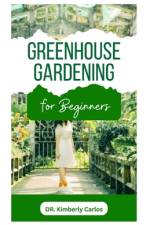
Unleash Nature's Magic The Unseasonal Farming Step into the enchanting world of "Greenhouse Gardening" and unlock the secret to growing your own slice of paradise, no matter the season. This isn't just a book; it's your call to action, an invitation to harness the power of greenhouses and cultivate a year-round oasis of life and abundance. Unleash the Magic of Four Seasons Imagine enjoying a lush, vibrant garden every day of the year. With "Greenhouse Gardening," you hold the key to unlocking the beauty of all four seasons, no matter where you live. Discover the art of controlling your environment and reaping the rewards of fresh, homegrown produce 365 days a year. Cultivate Abundance and Sustainability From juicy tomatoes to fragrant herbs and exotic flowers, "Greenhouse Gardening" empowers you to grow a wide array of plants with ease. Elevate your self-sufficiency, reduce your environmental impact, and take a giant leap towards sustainable living. Master the Secrets of Greenhouse Mastery Delve into the world of greenhouse design, temperature control, and nurturing the perfect microclimate for your plants. With expert guidance and proven techniques, you'll transform your greenhouse into a thriving haven of greenery, beauty, and serenity. Join the Greenhouse Revolution You're not alone on this horticultural journey. "Greenhouse Gardening" connects you to a global community of green-thumbed enthusiasts, gardeners, and champions of sustainable living. Together, we're reshaping the way we connect with our environment, reducing food miles, and cultivating a healthier future for our planet. Answer the Call to Action Your journey to the world of "Greenhouse Gardening" is more than a hobby; it's a mission. It's time to step into the lush realm of year-round gardening, bask in the joy of nurturing life, and embrace a future filled with homegrown abundance. Your greenhouse adventure begins here. Remember, "Greenhouse Gardening" is not just a book; it's a call to action, an invitation to harness the magic of year-round growing. Are you ready to cultivate an oasis of life and abundance, no matter the season? Your journey to greenhouse mastery starts now-answer the call today! Get you copy of this comprehensive Greenhouse Gardening Guide to get started.
A COMPLETE GUIDE TO CULTIVATING RESILIENCE IN AN UNCERTAIN WORLD In a world teetering on the brink of uncertainty, "Farming for Survival" is your guiding light toward self-sufficiency, resilience, and empowerment. This groundbreaking book is not just about farming; it's a powerful call to action for individuals, families, and communities to take control of their destiny. WHY THIS BOOK? Unearth the Secrets of Sustainable Agriculture Explore the time-tested techniques and cutting-edge innovations that will empower you to grow your own food, raise livestock, and cultivate the land. "Farming for Survival" is your comprehensive guide to building a sustainable future, ensuring your family's well-being, and safeguarding against unforeseen crises. Empower Yourself and Your Community Discover the profound impact farming can have on your life and your community. Learn how to create a resilient food system that is not only good for the planet but also for your family's future. Become a steward of the land, a leader in your community, and a beacon of hope in these turbulent times. Rise to the Challenge, Transform Your Life "Survival" is about more than just making it through the storm; it's about thriving and evolving. "Farming for Survival" equips you with the knowledge and skills to weather any storm, be it environmental, economic, or societal. The time to act is now, and this book is your roadmap. Join the Movement You are not alone on this journey. "Farming for Survival" connects you to a global community of like-minded individuals, pioneers, and change-makers who are committed to reshaping the world through sustainable agriculture. Be a part of the solution and join the movement that is sweeping across the planet. Don't wait for a crisis to hit. Take control of your destiny, nurture resilience, and cultivate a future filled with abundance. "Farming for Survival" is more than a book; it's your invitation to transform your life and the world around you. Start your journey to self-sufficiency and empowerment today!
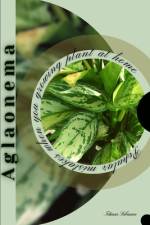
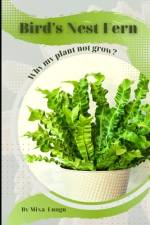
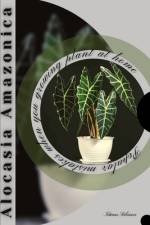
Whether you are a complete novice or have some experience with houseplants, this book will equip you with the fundamental knowledge needed to create a thriving environment for your Plant. This guide serves as an introductory resource, designed to acquaint you with the essential principles and techniques of gardening. You will gain a general understanding of the requirements, characteristics, and benefits, as well as the unique attributes and care needs of this plant.Inside this book, you will find: Introduction: Uncover the concept and their advantages Explore its natural habitat, growth patterns, and the numerous benefits it offers as a houseplant. Essential Growing Requirements: Gain insight into the specific environmental conditions that promote optimal plant growth, such as light, temperature, humidity, and soil composition. Planting and Maintenance Techniques: Learn step-by-step instructions for planting your plant in an open terrarium, including proper positioning, soil preparation, and watering practices. Understand how to provide ongoing care, such as pruning, fertilization, and pest management, to ensure your plant thrives. Troubleshooting and Common Mistakes: Identify potential challenges and issues that may arise during the cultivation . Find practical solutions to common problems and learn how to prevent and address common mistakes to maintain a flourishing ecosystem.Although this guide provides a general overview of gardening and Plant care, it is important to note that it does not delve into specific details or advanced techniques. Instead, it serves as an indispensable starting point for beginners, empowering them with a solid foundation of knowledge . By the end of this book you will possess the essential skills and understanding necessary to create a beautiful and thriving Plant .Embark on this green-fingered adventure and embrace the joy of nurturing and appreciating these fascinating botanical microcosms.
Make your best solution!This book contains a detailed description of each problem and their solution.Whether you're interested in growing plants, this book has something for everyone. With this book, you will learn to recognize emerging problems and prevent them.This book will help you bring any plant back to life! Whether you're a seasoned gardener or just starting out, this is the perfect guide to help you expand your knowledge and appreciation of the natural world. So whether you're interested in growing a variety of herbs for cooking, or simply admiring the beauty of the world's diverse plant life, this book is sure to inspire and inform.
Make your best solution!This book contains a detailed description of each problem and their solution.Whether you're interested in growing plants, this book has something for everyone. With this book, you will learn to recognize emerging problems and prevent them.This book will help you bring any plant back to life! Whether you're a seasoned gardener or just starting out, this is the perfect guide to help you expand your knowledge and appreciation of the natural world. So whether you're interested in growing a variety of herbs for cooking, or simply admiring the beauty of the world's diverse plant life, this book is sure to inspire and inform.
Make your best solution!This book contains a detailed description of each problem and their solution.Whether you're interested in growing plants, this book has something for everyone. With this book, you will learn to recognize emerging problems and prevent them.This book will help you bring any plant back to life! Whether you're a seasoned gardener or just starting out, this is the perfect guide to help you expand your knowledge and appreciation of the natural world. So whether you're interested in growing a variety of herbs for cooking, or simply admiring the beauty of the world's diverse plant life, this book is sure to inspire and inform.
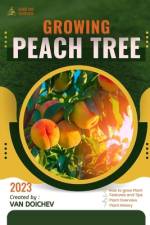
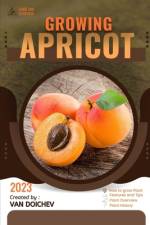
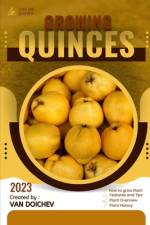
In our modern world, supermarkets and grocery stores offer an abundance of Fruits, neatly arranged in colorful displays.Shoppers have access to a vast array of options, from leafy greens to vibrant bell peppers, without giving much thought to where or how these vegetables were grown. The convenience of purchasing fruits at the local store often overshadows the question of their origin, the conditions under which they were cultivated, and the use of chemical additives to maintain their freshness.The reality is that most fruits available in stores today are products of industrial-scale agriculture. They are typically grown in large monoculture fields, where the focus is on maximizing yield and profit. While this approach may provide an abundance of vegetables, it often comes at a cost to the environment and the quality of the produce.One of the major concerns in industrial agriculture is the extensive use of chemical fertilizers and pesticides. These chemicals are applied to enhance crop growth, control pests, and increase shelf life. While they may yield visually appealing fruits that remain fresh for an extended period, they can have adverse effects on both the environment and human health. Runoff from these chemicals can pollute waterways, harm wildlife, and disrupt ecosystems. Moreover, residual pesticides on vegetables can be harmful when consumed, contributing to concerns about food safety.In contrast to mass-produced fruits, there's a growing movement towards cultivating produce at home. Home gardening allows individuals to take control of their food supply, ensuring that the vegetables they consume are free from harmful chemicals. Here are some reasons why growing your fruits at home can be a preferable alternative: Quality Assurance: When you grow your fruits, you have full control over the growing conditions. You can choose organic methods and avoid the use of harmful chemicals, resulting in healthier, more nutrient-rich produce.Taste and Freshness: Homegrown fruits often have superior flavor and freshness compared to store-bought counterparts. They can be picked at the peak of ripeness, retaining their full taste and nutritional value.Environmental Benefits: Home gardening reduces the carbon footprint associated with transporting vegetables from distant farms to stores. It also promotes biodiversity and can contribute to local ecosystem health.Educational Value: Gardening provides an opportunity to connect with nature, learn about plant biology, and develop valuable skills. It's an excellent way to teach children about food sources and sustainability.Cost Savings: While there may be initial setup costs for gardening equipment and seeds, homegrown vegetables can ultimately save you money on grocery bills.Peace of Mind: Knowing exactly where your food comes from and how it's grown can provide a sense of security and satisfaction that store-bought produce often lacks.In conclusion, while the convenience of purchasing fruits at stores is undeniable, there are significant advantages to growing your own produce at home. By doing so, you can ensure that your fruits are natural, free from harmful chemicals, and grown under conditions that align with your values. Whether you have a small balcony, a backyard garden, or even just some windowsill space, home gardening can be a rewarding and environmentally responsible choice. It's a step towards a more sustainable and healthy way of nourishing yourself and your family.Therefore, I recommend that you choose this path, which will improve your health and give you a new hobby.
In our modern world, supermarkets and grocery stores offer an abundance of Fruits, neatly arranged in colorful displays.Shoppers have access to a vast array of options, from leafy greens to vibrant bell peppers, without giving much thought to where or how these vegetables were grown. The convenience of purchasing fruits at the local store often overshadows the question of their origin, the conditions under which they were cultivated, and the use of chemical additives to maintain their freshness.The reality is that most fruits available in stores today are products of industrial-scale agriculture. They are typically grown in large monoculture fields, where the focus is on maximizing yield and profit. While this approach may provide an abundance of vegetables, it often comes at a cost to the environment and the quality of the produce.One of the major concerns in industrial agriculture is the extensive use of chemical fertilizers and pesticides. These chemicals are applied to enhance crop growth, control pests, and increase shelf life. While they may yield visually appealing fruits that remain fresh for an extended period, they can have adverse effects on both the environment and human health. Runoff from these chemicals can pollute waterways, harm wildlife, and disrupt ecosystems. Moreover, residual pesticides on vegetables can be harmful when consumed, contributing to concerns about food safety.In contrast to mass-produced fruits, there's a growing movement towards cultivating produce at home. Home gardening allows individuals to take control of their food supply, ensuring that the vegetables they consume are free from harmful chemicals. Here are some reasons why growing your fruits at home can be a preferable alternative: Quality Assurance: When you grow your fruits, you have full control over the growing conditions. You can choose organic methods and avoid the use of harmful chemicals, resulting in healthier, more nutrient-rich produce.Taste and Freshness: Homegrown fruits often have superior flavor and freshness compared to store-bought counterparts. They can be picked at the peak of ripeness, retaining their full taste and nutritional value.Environmental Benefits: Home gardening reduces the carbon footprint associated with transporting vegetables from distant farms to stores. It also promotes biodiversity and can contribute to local ecosystem health.Educational Value: Gardening provides an opportunity to connect with nature, learn about plant biology, and develop valuable skills. It's an excellent way to teach children about food sources and sustainability.Cost Savings: While there may be initial setup costs for gardening equipment and seeds, homegrown vegetables can ultimately save you money on grocery bills.Peace of Mind: Knowing exactly where your food comes from and how it's grown can provide a sense of security and satisfaction that store-bought produce often lacks.In conclusion, while the convenience of purchasing fruits at stores is undeniable, there are significant advantages to growing your own produce at home. By doing so, you can ensure that your fruits are natural, free from harmful chemicals, and grown under conditions that align with your values. Whether you have a small balcony, a backyard garden, or even just some windowsill space, home gardening can be a rewarding and environmentally responsible choice. It's a step towards a more sustainable and healthy way of nourishing yourself and your family.Therefore, I recommend that you choose this path, which will improve your health and give you a new hobby.
In our modern world, supermarkets and grocery stores offer an abundance of Fruits, neatly arranged in colorful displays.Shoppers have access to a vast array of options, from leafy greens to vibrant bell peppers, without giving much thought to where or how these vegetables were grown. The convenience of purchasing fruits at the local store often overshadows the question of their origin, the conditions under which they were cultivated, and the use of chemical additives to maintain their freshness.The reality is that most fruits available in stores today are products of industrial-scale agriculture. They are typically grown in large monoculture fields, where the focus is on maximizing yield and profit. While this approach may provide an abundance of vegetables, it often comes at a cost to the environment and the quality of the produce.One of the major concerns in industrial agriculture is the extensive use of chemical fertilizers and pesticides. These chemicals are applied to enhance crop growth, control pests, and increase shelf life. While they may yield visually appealing fruits that remain fresh for an extended period, they can have adverse effects on both the environment and human health. Runoff from these chemicals can pollute waterways, harm wildlife, and disrupt ecosystems. Moreover, residual pesticides on vegetables can be harmful when consumed, contributing to concerns about food safety.In contrast to mass-produced fruits, there's a growing movement towards cultivating produce at home. Home gardening allows individuals to take control of their food supply, ensuring that the vegetables they consume are free from harmful chemicals. Here are some reasons why growing your fruits at home can be a preferable alternative: Quality Assurance: When you grow your fruits, you have full control over the growing conditions. You can choose organic methods and avoid the use of harmful chemicals, resulting in healthier, more nutrient-rich produce.Taste and Freshness: Homegrown fruits often have superior flavor and freshness compared to store-bought counterparts. They can be picked at the peak of ripeness, retaining their full taste and nutritional value.Environmental Benefits: Home gardening reduces the carbon footprint associated with transporting vegetables from distant farms to stores. It also promotes biodiversity and can contribute to local ecosystem health.Educational Value: Gardening provides an opportunity to connect with nature, learn about plant biology, and develop valuable skills. It's an excellent way to teach children about food sources and sustainability.Cost Savings: While there may be initial setup costs for gardening equipment and seeds, homegrown vegetables can ultimately save you money on grocery bills.Peace of Mind: Knowing exactly where your food comes from and how it's grown can provide a sense of security and satisfaction that store-bought produce often lacks.In conclusion, while the convenience of purchasing fruits at stores is undeniable, there are significant advantages to growing your own produce at home. By doing so, you can ensure that your fruits are natural, free from harmful chemicals, and grown under conditions that align with your values. Whether you have a small balcony, a backyard garden, or even just some windowsill space, home gardening can be a rewarding and environmentally responsible choice. It's a step towards a more sustainable and healthy way of nourishing yourself and your family.Therefore, I recommend that you choose this path, which will improve your health and give you a new hobby.
Tackling the clutter in your home can be an overwhelming task, but the end result can provide space to unwind, relax, get restful sleep, and host loved ones. Let "The Uncluttered Home" take you through the process of decluttering and tidying your home one room at a time. In this book we will cover: How a clutter-free home benefits your mental and physical health, sleep quality, and work/life balanceDecluttering suggestions for each room in your homeTips for maintaining a clutter-free home Streamlining your cleaning routineTips for creating a peaceful environment
Make your best solution!This book contains a detailed description of each problem and their solution.Whether you're interested in growing plants, this book has something for everyone. With this book, you will learn to recognize emerging problems and prevent them.This book will help you bring any plant back to life! Whether you're a seasoned gardener or just starting out, this is the perfect guide to help you expand your knowledge and appreciation of the natural world. So whether you're interested in growing a variety of herbs for cooking, or simply admiring the beauty of the world's diverse plant life, this book is sure to inspire and inform.
Make your best solution!This book contains a detailed description of each problem and their solution.Whether you're interested in growing plants, this book has something for everyone. With this book, you will learn to recognize emerging problems and prevent them.This book will help you bring any plant back to life! Whether you're a seasoned gardener or just starting out, this is the perfect guide to help you expand your knowledge and appreciation of the natural world. So whether you're interested in growing a variety of herbs for cooking, or simply admiring the beauty of the world's diverse plant life, this book is sure to inspire and inform.
Make your best solution!This book contains a detailed description of each problem and their solution.Whether you're interested in growing plants, this book has something for everyone. With this book, you will learn to recognize emerging problems and prevent them.This book will help you bring any plant back to life! Whether you're a seasoned gardener or just starting out, this is the perfect guide to help you expand your knowledge and appreciation of the natural world. So whether you're interested in growing a variety of herbs for cooking, or simply admiring the beauty of the world's diverse plant life, this book is sure to inspire and inform.
Whether you are a complete novice or have some experience with houseplants, this book will equip you with the fundamental knowledge needed to create a thriving environment for your Plant. This guide serves as an introductory resource, designed to acquaint you with the essential principles and techniques of gardening. You will gain a general understanding of the requirements, characteristics, and benefits, as well as the unique attributes and care needs of this plant.Inside this book, you will find: Introduction: Uncover the concept and their advantages Explore its natural habitat, growth patterns, and the numerous benefits it offers as a houseplant. Essential Growing Requirements: Gain insight into the specific environmental conditions that promote optimal plant growth, such as light, temperature, humidity, and soil composition. Planting and Maintenance Techniques: Learn step-by-step instructions for planting your plant in an open terrarium, including proper positioning, soil preparation, and watering practices. Understand how to provide ongoing care, such as pruning, fertilization, and pest management, to ensure your plant thrives. Troubleshooting and Common Mistakes: Identify potential challenges and issues that may arise during the cultivation . Find practical solutions to common problems and learn how to prevent and address common mistakes to maintain a flourishing ecosystem.Although this guide provides a general overview of gardening and Plant care, it is important to note that it does not delve into specific details or advanced techniques. Instead, it serves as an indispensable starting point for beginners, empowering them with a solid foundation of knowledge . By the end of this book you will possess the essential skills and understanding necessary to create a beautiful and thriving Plant .Embark on this green-fingered adventure and embrace the joy of nurturing and appreciating these fascinating botanical microcosms.
Whether you are a complete novice or have some experience with houseplants, this book will equip you with the fundamental knowledge needed to create a thriving environment for your Plant. This guide serves as an introductory resource, designed to acquaint you with the essential principles and techniques of gardening. You will gain a general understanding of the requirements, characteristics, and benefits, as well as the unique attributes and care needs of this plant.Inside this book, you will find: Introduction: Uncover the concept and their advantages Explore its natural habitat, growth patterns, and the numerous benefits it offers as a houseplant. Essential Growing Requirements: Gain insight into the specific environmental conditions that promote optimal plant growth, such as light, temperature, humidity, and soil composition. Planting and Maintenance Techniques: Learn step-by-step instructions for planting your plant in an open terrarium, including proper positioning, soil preparation, and watering practices. Understand how to provide ongoing care, such as pruning, fertilization, and pest management, to ensure your plant thrives. Troubleshooting and Common Mistakes: Identify potential challenges and issues that may arise during the cultivation . Find practical solutions to common problems and learn how to prevent and address common mistakes to maintain a flourishing ecosystem.Although this guide provides a general overview of gardening and Plant care, it is important to note that it does not delve into specific details or advanced techniques. Instead, it serves as an indispensable starting point for beginners, empowering them with a solid foundation of knowledge . By the end of this book you will possess the essential skills and understanding necessary to create a beautiful and thriving Plant .Embark on this green-fingered adventure and embrace the joy of nurturing and appreciating these fascinating botanical microcosms.
In our modern world, supermarkets and grocery stores offer an abundance of Fruits, neatly arranged in colorful displays.Shoppers have access to a vast array of options, from leafy greens to vibrant bell peppers, without giving much thought to where or how these vegetables were grown. The convenience of purchasing fruits at the local store often overshadows the question of their origin, the conditions under which they were cultivated, and the use of chemical additives to maintain their freshness.The reality is that most fruits available in stores today are products of industrial-scale agriculture. They are typically grown in large monoculture fields, where the focus is on maximizing yield and profit. While this approach may provide an abundance of vegetables, it often comes at a cost to the environment and the quality of the produce.One of the major concerns in industrial agriculture is the extensive use of chemical fertilizers and pesticides. These chemicals are applied to enhance crop growth, control pests, and increase shelf life. While they may yield visually appealing fruits that remain fresh for an extended period, they can have adverse effects on both the environment and human health. Runoff from these chemicals can pollute waterways, harm wildlife, and disrupt ecosystems. Moreover, residual pesticides on vegetables can be harmful when consumed, contributing to concerns about food safety.In contrast to mass-produced fruits, there's a growing movement towards cultivating produce at home. Home gardening allows individuals to take control of their food supply, ensuring that the vegetables they consume are free from harmful chemicals. Here are some reasons why growing your fruits at home can be a preferable alternative: Quality Assurance: When you grow your fruits, you have full control over the growing conditions. You can choose organic methods and avoid the use of harmful chemicals, resulting in healthier, more nutrient-rich produce.Taste and Freshness: Homegrown fruits often have superior flavor and freshness compared to store-bought counterparts. They can be picked at the peak of ripeness, retaining their full taste and nutritional value.Environmental Benefits: Home gardening reduces the carbon footprint associated with transporting vegetables from distant farms to stores. It also promotes biodiversity and can contribute to local ecosystem health.Educational Value: Gardening provides an opportunity to connect with nature, learn about plant biology, and develop valuable skills. It's an excellent way to teach children about food sources and sustainability.Cost Savings: While there may be initial setup costs for gardening equipment and seeds, homegrown vegetables can ultimately save you money on grocery bills.Peace of Mind: Knowing exactly where your food comes from and how it's grown can provide a sense of security and satisfaction that store-bought produce often lacks.In conclusion, while the convenience of purchasing fruits at stores is undeniable, there are significant advantages to growing your own produce at home. By doing so, you can ensure that your fruits are natural, free from harmful chemicals, and grown under conditions that align with your values. Whether you have a small balcony, a backyard garden, or even just some windowsill space, home gardening can be a rewarding and environmentally responsible choice. It's a step towards a more sustainable and healthy way of nourishing yourself and your family.Therefore, I recommend that you choose this path, which will improve your health and give you a new hobby.
In our modern world, supermarkets and grocery stores offer an abundance of Fruits, neatly arranged in colorful displays.Shoppers have access to a vast array of options, from leafy greens to vibrant bell peppers, without giving much thought to where or how these vegetables were grown. The convenience of purchasing fruits at the local store often overshadows the question of their origin, the conditions under which they were cultivated, and the use of chemical additives to maintain their freshness.The reality is that most fruits available in stores today are products of industrial-scale agriculture. They are typically grown in large monoculture fields, where the focus is on maximizing yield and profit. While this approach may provide an abundance of vegetables, it often comes at a cost to the environment and the quality of the produce.One of the major concerns in industrial agriculture is the extensive use of chemical fertilizers and pesticides. These chemicals are applied to enhance crop growth, control pests, and increase shelf life. While they may yield visually appealing fruits that remain fresh for an extended period, they can have adverse effects on both the environment and human health. Runoff from these chemicals can pollute waterways, harm wildlife, and disrupt ecosystems. Moreover, residual pesticides on vegetables can be harmful when consumed, contributing to concerns about food safety.In contrast to mass-produced fruits, there's a growing movement towards cultivating produce at home. Home gardening allows individuals to take control of their food supply, ensuring that the vegetables they consume are free from harmful chemicals. Here are some reasons why growing your fruits at home can be a preferable alternative: Quality Assurance: When you grow your fruits, you have full control over the growing conditions. You can choose organic methods and avoid the use of harmful chemicals, resulting in healthier, more nutrient-rich produce.Taste and Freshness: Homegrown fruits often have superior flavor and freshness compared to store-bought counterparts. They can be picked at the peak of ripeness, retaining their full taste and nutritional value.Environmental Benefits: Home gardening reduces the carbon footprint associated with transporting vegetables from distant farms to stores. It also promotes biodiversity and can contribute to local ecosystem health.Educational Value: Gardening provides an opportunity to connect with nature, learn about plant biology, and develop valuable skills. It's an excellent way to teach children about food sources and sustainability.Cost Savings: While there may be initial setup costs for gardening equipment and seeds, homegrown vegetables can ultimately save you money on grocery bills.Peace of Mind: Knowing exactly where your food comes from and how it's grown can provide a sense of security and satisfaction that store-bought produce often lacks.In conclusion, while the convenience of purchasing fruits at stores is undeniable, there are significant advantages to growing your own produce at home. By doing so, you can ensure that your fruits are natural, free from harmful chemicals, and grown under conditions that align with your values. Whether you have a small balcony, a backyard garden, or even just some windowsill space, home gardening can be a rewarding and environmentally responsible choice. It's a step towards a more sustainable and healthy way of nourishing yourself and your family.Therefore, I recommend that you choose this path, which will improve your health and give you a new hobby.
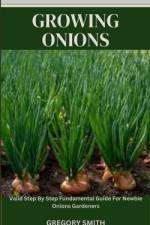
Onion cultivation can be rewarding and advantageous for a variety of factors. Here are some advantages of onion cultivation: - Fresh and Flavorful Fruits and Vegetables Homegrown scallions typically have a more robust flavor than those purchased from a grocery store. They can be harvested at their optimum ripeness for optimal flavor.- Growing your own onions can help you save money in the long term. Onions are a common ingredient in many dishes; if you grow them in your garden, you will need to purchase them less often.- There are numerous varieties of onions to choose from, including sweet onions, red onions, yellow onions, and others. You can experiment with cultivating various varieties based on your culinary preferences.- You have control over the use of pesticides and chemicals if you cultivate your own onions at home. If you wish to avoid synthetic substances, you can choose organic growing methods.- Green onions, also known as scallions, can be continuously harvested by snipping the green tops, allowing the onion bulbs to continue developing. This ensures a continuous supply of fresh green onions for use in salads, garnishes, and cookery.- Onions are plants with relatively low maintenance requirements. They require little care, making them suitable for inexperienced cultivators. In addition, they are less susceptible to parasites and diseases than other vegetables.- Long Shelf Life: Onions that have been properly cured and stored can have a long shelf life, allowing you to appreciate them well into the winter.- Companion Planting: Onions can be used as companion plants to prevent garden pests such as aphids and nematodes from infecting other vegetables. They are frequently planted with tomatoes, vegetables, and other crops in order to promote their growth and health.- Growing onions can be an educationally beneficial experience for both children and adults. It offers the chance to study plant life cycles, horticulture techniques, and the significance of food production.- Home horticulture, including the cultivation of onions, contributes to sustainability by reducing the carbon footprint associated with transporting produce from the farm to the store. Furthermore, it reduces packaging waste.- You can tailor your onion cultivation techniques to your space and requirements. Regardless of the size of your garden or balcony, you can cultivate onions in containers or raised beds.- Enjoyment and a Sense of Accomplishment: Growing your own food effectively provides a feeling of satisfaction and accomplishment. Homegrown onion harvesting and preparing can be a rewarding experience.Growing onions offers a variety of advantages, including cost reductions, enhanced flavor, and the satisfaction of tending to one's own garden. It can be an enjoyable and useful addition to your horticultural efforts.
Product Description: Transform your balcony into a lush, vibrant oasis with our Balcony Gardening Kit. If you've ever dreamed of having a green retreat right outside your door, this is the perfect solution. Our kit is designed for both beginners and experienced gardeners, making it easy to cultivate beautiful flowers and fresh herbs with minimal effort.Bullet Points: Easy Setup: Start your garden in minutes. No green thumb required.Year-Round Blooms: Enjoy colorful flowers in all seasons.Fresh Herbs at Your Fingertips: Grow basil, mint, and more for culinary delight.Space-Saving Design: Perfect for compact balconies and small outdoor areas.Durable Materials: Sturdy pots and tools built to withstand the elements.Low Maintenance: Say goodbye to daily watering and constant care.Sustainable Gardening: Help the environment by growing your own greenery.
40 Detailed IllustrationsFilm Noir Characters Coloring BookGreat for Gifts or just for funSuitable for 13+Hours of enjoyment
Make your best solution!This book contains a detailed description of each problem and their solution.Whether you're interested in growing plants, this book has something for everyone. With this book, you will learn to recognize emerging problems and prevent them.This book will help you bring any plant back to life! Whether you're a seasoned gardener or just starting out, this is the perfect guide to help you expand your knowledge and appreciation of the natural world. So whether you're interested in growing a variety of herbs for cooking, or simply admiring the beauty of the world's diverse plant life, this book is sure to inspire and inform.
Make your best solution!This book contains a detailed description of each problem and their solution.Whether you're interested in growing plants, this book has something for everyone. With this book, you will learn to recognize emerging problems and prevent them.This book will help you bring any plant back to life! Whether you're a seasoned gardener or just starting out, this is the perfect guide to help you expand your knowledge and appreciation of the natural world. So whether you're interested in growing a variety of herbs for cooking, or simply admiring the beauty of the world's diverse plant life, this book is sure to inspire and inform.
Make your best solution!This book contains a detailed description of each problem and their solution.Whether you're interested in growing plants, this book has something for everyone. With this book, you will learn to recognize emerging problems and prevent them.This book will help you bring any plant back to life! Whether you're a seasoned gardener or just starting out, this is the perfect guide to help you expand your knowledge and appreciation of the natural world. So whether you're interested in growing a variety of herbs for cooking, or simply admiring the beauty of the world's diverse plant life, this book is sure to inspire and inform.
Whether you are a complete novice or have some experience with houseplants, this book will equip you with the fundamental knowledge needed to create a thriving environment for your Plant. This guide serves as an introductory resource, designed to acquaint you with the essential principles and techniques of gardening. You will gain a general understanding of the requirements, characteristics, and benefits, as well as the unique attributes and care needs of this plant.Inside this book, you will find: Introduction: Uncover the concept and their advantages Explore its natural habitat, growth patterns, and the numerous benefits it offers as a houseplant. Essential Growing Requirements: Gain insight into the specific environmental conditions that promote optimal plant growth, such as light, temperature, humidity, and soil composition. Planting and Maintenance Techniques: Learn step-by-step instructions for planting your plant in an open terrarium, including proper positioning, soil preparation, and watering practices. Understand how to provide ongoing care, such as pruning, fertilization, and pest management, to ensure your plant thrives. Troubleshooting and Common Mistakes: Identify potential challenges and issues that may arise during the cultivation . Find practical solutions to common problems and learn how to prevent and address common mistakes to maintain a flourishing ecosystem.Although this guide provides a general overview of gardening and Plant care, it is important to note that it does not delve into specific details or advanced techniques. Instead, it serves as an indispensable starting point for beginners, empowering them with a solid foundation of knowledge . By the end of this book you will possess the essential skills and understanding necessary to create a beautiful and thriving Plant .Embark on this green-fingered adventure and embrace the joy of nurturing and appreciating these fascinating botanical microcosms.
Whether you are a complete novice or have some experience with houseplants, this book will equip you with the fundamental knowledge needed to create a thriving environment for your Plant. This guide serves as an introductory resource, designed to acquaint you with the essential principles and techniques of gardening. You will gain a general understanding of the requirements, characteristics, and benefits, as well as the unique attributes and care needs of this plant.Inside this book, you will find: Introduction: Uncover the concept and their advantages Explore its natural habitat, growth patterns, and the numerous benefits it offers as a houseplant. Essential Growing Requirements: Gain insight into the specific environmental conditions that promote optimal plant growth, such as light, temperature, humidity, and soil composition. Planting and Maintenance Techniques: Learn step-by-step instructions for planting your plant in an open terrarium, including proper positioning, soil preparation, and watering practices. Understand how to provide ongoing care, such as pruning, fertilization, and pest management, to ensure your plant thrives. Troubleshooting and Common Mistakes: Identify potential challenges and issues that may arise during the cultivation . Find practical solutions to common problems and learn how to prevent and address common mistakes to maintain a flourishing ecosystem.Although this guide provides a general overview of gardening and Plant care, it is important to note that it does not delve into specific details or advanced techniques. Instead, it serves as an indispensable starting point for beginners, empowering them with a solid foundation of knowledge . By the end of this book you will possess the essential skills and understanding necessary to create a beautiful and thriving Plant .Embark on this green-fingered adventure and embrace the joy of nurturing and appreciating these fascinating botanical microcosms.
Whether you are a complete novice or have some experience with houseplants, this book will equip you with the fundamental knowledge needed to create a thriving environment for your Plant. This guide serves as an introductory resource, designed to acquaint you with the essential principles and techniques of gardening. You will gain a general understanding of the requirements, characteristics, and benefits, as well as the unique attributes and care needs of this plant.Inside this book, you will find: Introduction: Uncover the concept and their advantages Explore its natural habitat, growth patterns, and the numerous benefits it offers as a houseplant. Essential Growing Requirements: Gain insight into the specific environmental conditions that promote optimal plant growth, such as light, temperature, humidity, and soil composition. Planting and Maintenance Techniques: Learn step-by-step instructions for planting your plant in an open terrarium, including proper positioning, soil preparation, and watering practices. Understand how to provide ongoing care, such as pruning, fertilization, and pest management, to ensure your plant thrives. Troubleshooting and Common Mistakes: Identify potential challenges and issues that may arise during the cultivation . Find practical solutions to common problems and learn how to prevent and address common mistakes to maintain a flourishing ecosystem.Although this guide provides a general overview of gardening and Plant care, it is important to note that it does not delve into specific details or advanced techniques. Instead, it serves as an indispensable starting point for beginners, empowering them with a solid foundation of knowledge . By the end of this book you will possess the essential skills and understanding necessary to create a beautiful and thriving Plant .Embark on this green-fingered adventure and embrace the joy of nurturing and appreciating these fascinating botanical microcosms.
In our modern world, supermarkets and grocery stores offer an abundance of Fruits, neatly arranged in colorful displays.Shoppers have access to a vast array of options, from leafy greens to vibrant bell peppers, without giving much thought to where or how these vegetables were grown. The convenience of purchasing fruits at the local store often overshadows the question of their origin, the conditions under which they were cultivated, and the use of chemical additives to maintain their freshness.The reality is that most fruits available in stores today are products of industrial-scale agriculture. They are typically grown in large monoculture fields, where the focus is on maximizing yield and profit. While this approach may provide an abundance of vegetables, it often comes at a cost to the environment and the quality of the produce.One of the major concerns in industrial agriculture is the extensive use of chemical fertilizers and pesticides. These chemicals are applied to enhance crop growth, control pests, and increase shelf life. While they may yield visually appealing fruits that remain fresh for an extended period, they can have adverse effects on both the environment and human health. Runoff from these chemicals can pollute waterways, harm wildlife, and disrupt ecosystems. Moreover, residual pesticides on vegetables can be harmful when consumed, contributing to concerns about food safety.In contrast to mass-produced fruits, there's a growing movement towards cultivating produce at home. Home gardening allows individuals to take control of their food supply, ensuring that the vegetables they consume are free from harmful chemicals. Here are some reasons why growing your fruits at home can be a preferable alternative: Quality Assurance: When you grow your fruits, you have full control over the growing conditions. You can choose organic methods and avoid the use of harmful chemicals, resulting in healthier, more nutrient-rich produce.Taste and Freshness: Homegrown fruits often have superior flavor and freshness compared to store-bought counterparts. They can be picked at the peak of ripeness, retaining their full taste and nutritional value.Environmental Benefits: Home gardening reduces the carbon footprint associated with transporting vegetables from distant farms to stores. It also promotes biodiversity and can contribute to local ecosystem health.Educational Value: Gardening provides an opportunity to connect with nature, learn about plant biology, and develop valuable skills. It's an excellent way to teach children about food sources and sustainability.Cost Savings: While there may be initial setup costs for gardening equipment and seeds, homegrown vegetables can ultimately save you money on grocery bills.Peace of Mind: Knowing exactly where your food comes from and how it's grown can provide a sense of security and satisfaction that store-bought produce often lacks.In conclusion, while the convenience of purchasing fruits at stores is undeniable, there are significant advantages to growing your own produce at home. By doing so, you can ensure that your fruits are natural, free from harmful chemicals, and grown under conditions that align with your values. Whether you have a small balcony, a backyard garden, or even just some windowsill space, home gardening can be a rewarding and environmentally responsible choice. It's a step towards a more sustainable and healthy way of nourishing yourself and your family.Therefore, I recommend that you choose this path, which will improve your health and give you a new hobby.
In our modern world, supermarkets and grocery stores offer an abundance of Fruits, neatly arranged in colorful displays.Shoppers have access to a vast array of options, from leafy greens to vibrant bell peppers, without giving much thought to where or how these vegetables were grown. The convenience of purchasing fruits at the local store often overshadows the question of their origin, the conditions under which they were cultivated, and the use of chemical additives to maintain their freshness.The reality is that most fruits available in stores today are products of industrial-scale agriculture. They are typically grown in large monoculture fields, where the focus is on maximizing yield and profit. While this approach may provide an abundance of vegetables, it often comes at a cost to the environment and the quality of the produce.One of the major concerns in industrial agriculture is the extensive use of chemical fertilizers and pesticides. These chemicals are applied to enhance crop growth, control pests, and increase shelf life. While they may yield visually appealing fruits that remain fresh for an extended period, they can have adverse effects on both the environment and human health. Runoff from these chemicals can pollute waterways, harm wildlife, and disrupt ecosystems. Moreover, residual pesticides on vegetables can be harmful when consumed, contributing to concerns about food safety.In contrast to mass-produced fruits, there's a growing movement towards cultivating produce at home. Home gardening allows individuals to take control of their food supply, ensuring that the vegetables they consume are free from harmful chemicals. Here are some reasons why growing your fruits at home can be a preferable alternative: Quality Assurance: When you grow your fruits, you have full control over the growing conditions. You can choose organic methods and avoid the use of harmful chemicals, resulting in healthier, more nutrient-rich produce.Taste and Freshness: Homegrown fruits often have superior flavor and freshness compared to store-bought counterparts. They can be picked at the peak of ripeness, retaining their full taste and nutritional value.Environmental Benefits: Home gardening reduces the carbon footprint associated with transporting vegetables from distant farms to stores. It also promotes biodiversity and can contribute to local ecosystem health.Educational Value: Gardening provides an opportunity to connect with nature, learn about plant biology, and develop valuable skills. It's an excellent way to teach children about food sources and sustainability.Cost Savings: While there may be initial setup costs for gardening equipment and seeds, homegrown vegetables can ultimately save you money on grocery bills.Peace of Mind: Knowing exactly where your food comes from and how it's grown can provide a sense of security and satisfaction that store-bought produce often lacks.In conclusion, while the convenience of purchasing fruits at stores is undeniable, there are significant advantages to growing your own produce at home. By doing so, you can ensure that your fruits are natural, free from harmful chemicals, and grown under conditions that align with your values. Whether you have a small balcony, a backyard garden, or even just some windowsill space, home gardening can be a rewarding and environmentally responsible choice. It's a step towards a more sustainable and healthy way of nourishing yourself and your family.Therefore, I recommend that you choose this path, which will improve your health and give you a new hobby.
In our modern world, supermarkets and grocery stores offer an abundance of Fruits, neatly arranged in colorful displays.Shoppers have access to a vast array of options, from leafy greens to vibrant bell peppers, without giving much thought to where or how these vegetables were grown. The convenience of purchasing fruits at the local store often overshadows the question of their origin, the conditions under which they were cultivated, and the use of chemical additives to maintain their freshness.The reality is that most fruits available in stores today are products of industrial-scale agriculture. They are typically grown in large monoculture fields, where the focus is on maximizing yield and profit. While this approach may provide an abundance of vegetables, it often comes at a cost to the environment and the quality of the produce.One of the major concerns in industrial agriculture is the extensive use of chemical fertilizers and pesticides. These chemicals are applied to enhance crop growth, control pests, and increase shelf life. While they may yield visually appealing fruits that remain fresh for an extended period, they can have adverse effects on both the environment and human health. Runoff from these chemicals can pollute waterways, harm wildlife, and disrupt ecosystems. Moreover, residual pesticides on vegetables can be harmful when consumed, contributing to concerns about food safety.In contrast to mass-produced fruits, there's a growing movement towards cultivating produce at home. Home gardening allows individuals to take control of their food supply, ensuring that the vegetables they consume are free from harmful chemicals. Here are some reasons why growing your fruits at home can be a preferable alternative: Quality Assurance: When you grow your fruits, you have full control over the growing conditions. You can choose organic methods and avoid the use of harmful chemicals, resulting in healthier, more nutrient-rich produce.Taste and Freshness: Homegrown fruits often have superior flavor and freshness compared to store-bought counterparts. They can be picked at the peak of ripeness, retaining their full taste and nutritional value.Environmental Benefits: Home gardening reduces the carbon footprint associated with transporting vegetables from distant farms to stores. It also promotes biodiversity and can contribute to local ecosystem health.Educational Value: Gardening provides an opportunity to connect with nature, learn about plant biology, and develop valuable skills. It's an excellent way to teach children about food sources and sustainability.Cost Savings: While there may be initial setup costs for gardening equipment and seeds, homegrown vegetables can ultimately save you money on grocery bills.Peace of Mind: Knowing exactly where your food comes from and how it's grown can provide a sense of security and satisfaction that store-bought produce often lacks.In conclusion, while the convenience of purchasing fruits at stores is undeniable, there are significant advantages to growing your own produce at home. By doing so, you can ensure that your fruits are natural, free from harmful chemicals, and grown under conditions that align with your values. Whether you have a small balcony, a backyard garden, or even just some windowsill space, home gardening can be a rewarding and environmentally responsible choice. It's a step towards a more sustainable and healthy way of nourishing yourself and your family.Therefore, I recommend that you choose this path, which will improve your health and give you a new hobby.
Sign up to our newsletter and receive discounts and inspiration for your next reading experience.
By signing up, you agree to our Privacy Policy.